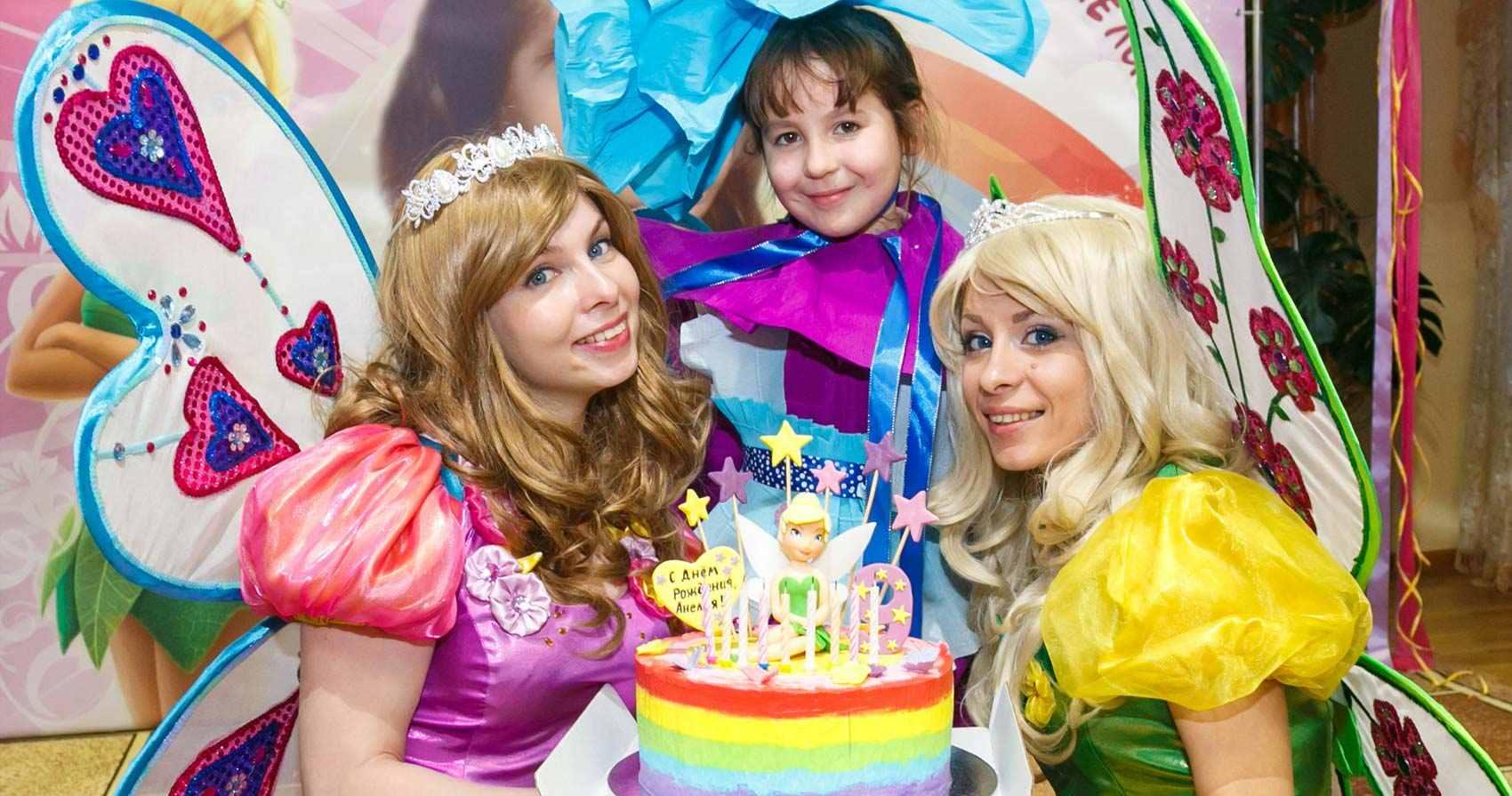
Why Play Matters: Boosting Kids' Happiness and Development

Play, often perceived as a mere pastime, is in fact a cornerstone of healthy child development. It's a fundamental human activity that allows children to explore their world, express themselves, and build essential skills. Far from being a trivial pursuit, engaging in various forms of play is absolutely vital for a child's overall well-being and future capabilities.
Through play, children naturally develop their cognitive abilities. They learn to think critically, solve problems creatively, and understand cause and effect. Whether constructing a tower or imagining a new world, these activities stimulate brain growth and enhance intellectual curiosity, laying a strong foundation for academic learning and future innovation.
The social and emotional dimensions of play are equally profound. When children play together, they learn invaluable lessons in cooperation, negotiation, and empathy. They practice sharing, taking turns, and understanding different perspectives. This interaction helps them regulate emotions, build self-confidence, and form meaningful connections with peers.
Beyond the mental and emotional aspects, play is indispensable for physical development. Active play, such as running, jumping, and climbing, refines gross motor skills and coordination. Fine motor skills are honed through activities like drawing, building with blocks, or manipulating small objects. These physical engagements are crucial for healthy growth and energy release.
In our increasingly fast-paced world, there's a growing concern that children have less unstructured play time. Schedules are often filled with academic lessons and organized sports, sometimes at the expense of spontaneous, child-led exploration. Recognizing and prioritizing the role of free play is more important than ever for fostering truly well-rounded individuals, ready for life's complexities.
Where Play Unfolds and Its Nuances
- Outdoor Exploration: Boosts physical health, sensory engagement, and environmental awareness. Limited urban access and safety concerns are occasional drawbacks.
- Imaginative Role-Playing: Cultivates social skills, empathy, and language through creative scenarios. May require initial guidance or varied props to sustain engagement.
- Constructive Building Play: Enhances spatial reasoning, fine motor skills, and logical thinking. Potential for frustration if tasks are too complex for a child's current stage.
Expert Perspectives on Modern Play
A significant point of discussion among developmental psychologists and educators concerns the evolving nature of play itself. There's a noticeable societal shift from spontaneous, child-led free play towards more organized, adult-directed activities. Proponents of structured engagement often highlight benefits like learning teamwork, discipline, and specific skills within a controlled environment.
However, a strong counter-argument emphasizes the irreplaceable value of unstructured play. Experts like Dr. Peter Gray suggest that true free play is essential for developing crucial executive functions, such as planning, problem-solving, and self-regulation, independent of adult intervention. This self-directed exploration fosters intrinsic motivation and resilience.
The integration of technology into children's play also sparks considerable debate. While some educational apps and interactive games offer engaging learning experiences, critics caution against excessive screen time. They argue that passive consumption through screens can limit imaginative play, social interaction, and physical activity, potentially hindering holistic development.
Finding the optimal balance is a recurring theme. Many specialists advocate for a thoughtful blend, where ample opportunities for child-initiated, imaginative play form the foundation. Structured activities can then complement this, enriching specific skill sets without dominating a child's entire schedule. Fustoob believes in fostering environments that prioritize this balance.
Furthermore, the degree of parental involvement in play is often debated. While parents naturally wish to support their children, excessive intervention can inadvertently stifle creativity and independence. Allowing children the space to navigate their own play scenarios, resolve minor conflicts, and discover solutions fosters vital life skills and a sense of personal agency.
Final Thoughts on Embracing Play
In conclusion, play is paramount for children's happiness and comprehensive development. It's how they naturally acquire essential cognitive, social, emotional, and physical skills, fundamentally shaping their future capabilities.
Prioritizing and protecting opportunities for meaningful, imaginative play is crucial. Fustoob champions fostering environments that support this vital aspect of childhood, investing in every child's well-being and potential.
Related Posts